San Antonio sits at the intersection of heat, humidity, and heavy logistics. That mix can become a liability if your inventory sweats, spoils, or warps. Temperature-controlled storage, from refrigerated storage at 34 to 45°F to deep frozen environments, fills the gap between production and the point of sale. Over the past decade working with food brands, clinical labs, and seasonal retailers across the city, I have seen the difference a well-run cold storage facility makes. The difference looks like fewer chargebacks, longer shelf life, and calmer operations teams during the summer rush. The stories below come from those trenches, where meticulous controls, response times, and small process choices add up to real money.
The salsa maker who stopped losing August
A local salsa producer used to dread late summer. Their refrigerated fleet could hold temp while driving, but distribution delays around San Antonio meant pallets often waited on docks for an hour or two. Quality tests would flag pH drift and yeast growth in roughly 6 to 8 percent of cases. They tried thicker insulation wrap and more ice packs. It helped, but not enough, and yield losses at that percentage can eat an entire quarter’s profit.
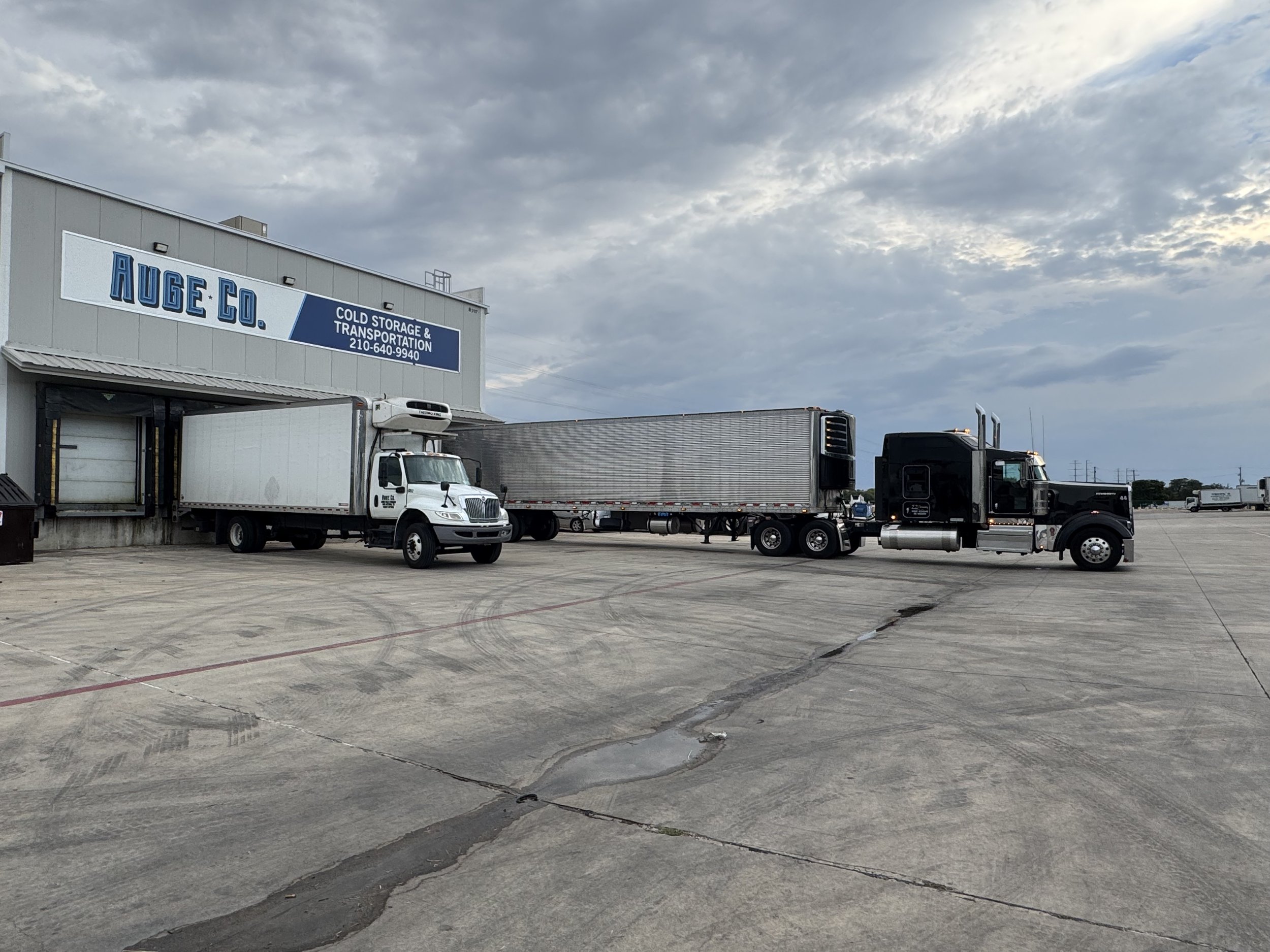
The team shifted to a cold storage warehouse San Antonio TX operators already used for dairy and produce. The facility combined dock-high refrigerated bays at 38°F with pre-cooled staging zones, plus barcode-guided first-expire-first-out rotation. It wasn’t dramatic. They just altered the flow: truck arrives, load cross-docked directly into refrigerated storage San Antonio TX bays, then staged for outbound routes in the early morning. They added a simple rule, no pallet sits at ambient more than 8 minutes. The storage operator installed a door timer that chirped at five minutes, and staff started competing to beat it. Losses dropped from 6 to 8 percent to under 1 percent within two months. Retailers noticed cleaner seals and less lid bulging. The producer kept August and gained the freedom to take on two new grocers.
What mattered was not a miracle technology. It was a temperature-controlled storage process that respected microbial growth rates. Shelf life lives and dies in the minutes inventory spends between zones. High-visibility data loggers on a few test pallets confirmed the improvement, which justified ongoing cold storage costs. This is the kind of incremental win that cold storage facilities can deliver Auge Co. Inc cold storage san antonio tx when they operate like an extension of production, not a black box where pallets go to nap.
A craft brewery’s foam problem, solved at 50°F
Another customer, a craft brewery on San Antonio’s east side, struggled with over-carbonation after packaging. Kegs and cans were leaving bright tanks at 30 to 31°F, then warming to 70°F during distribution waves. Retail partners reported gushing cans, which is reputational poison for a brewery. The beer itself was clean, the recipe stable, the production team competent. The temperature swings were the culprit.
The brewery moved post-pack inventory to a temperature-controlled storage San Antonio TX provider that offered a 50°F chamber in addition to standard 34 to 38°F rooms. Beer doesn't always want to be ice cold. At 50°F, the brewery found a sweet spot where residual fermentation slowed and carbonation stayed stable without flattening flavor. The storage team shortened dwell times too. Kegs staged in 50°F three days before route release, then transferred to 38°F overnight ahead of loading. The brewery tracked returns and write-offs for six months. Defects fell from about 4 percent to under 1.2 percent. The move freed line capacity as well, because the team could package at a steady cadence instead of throttling to chase room in the walk-in cooler.
If you search cold storage near me, you’ll find a mix of deep-frozen seafood hubs and broad commodity warehouses. A brewery needs nuance. Ask about intermediate set points like 45 to 55°F, door traffic rates, and whether they can fence off a row for flavor-sensitive SKUs. That operational fit makes or breaks the outcome.
Meal kits and the quiet power of pick discipline
A regional meal kit company expanded into San Antonio during a growth spurt. They tried to run fulfillment out of a general dry facility with a small cooler. Ice packs and insulated shippers handled the last mile, but the middle mile sagged. Variability in pack temperatures at delivery spiked during heat waves. Customer churn followed within two weeks, and the math on acquisition cost versus lifetime value flipped from green to red.
They moved into a cold storage warehouse near me that already had e-commerce order assembly. The operator offered shared labor for kitting inside a 36°F room with ergonomic stations. No frostbite, no limp greens. They tuned the path so that proteins and dairy entered totes last, cutting exposure time. For assembly, they used a simple two-stage QA, weight checks on each carton and a random infrared scan every tenth order. Not glamorous, but it halved the variance. The company published a guarantee that if a pack arrived over 41°F, they would replace it. Claims dropped by 70 percent after the switch.
For temperature-controlled storage workflows like this, the key is to challenge the last ten minutes. That’s where workers prop doors, scan labels twice, or wait for a driver. Management often spends on extra freezer horsepower when what they need is a better door closer and a process that puts the coldest items last in the tote. Refrigerated storage, done right, is choreography.
Clinical trials inventory and audit-proof chain of custody
Pharma and clinical research face different stakes. A laboratory client storing temperature-sensitive diagnostic kits needed traceability that would satisfy an auditor who reads spec sheets for fun. The storage range was 2 to 8°C, with excursion limits under 30 minutes to 15°C allowed only in transit. They rotated kits with precise expiry and lot control, and they needed proof on demand for each vial.
The lab partnered with a cold storage warehouse San Antonio TX location that invested in redundancy: two independent compressors per room, dual power feeds with generator backup, and validated data logging that stored records for 7 years. The warehouse also offered real-time alerts tied to a 24/7 on-call technician. Over twelve months, they had two minor temperature excursions during a severe thunderstorm. In both cases the room stayed within 2°C to 8°C. The operator produced a time-stamped report, including door sensor logs and generator run time, within hours. Auditors signed off, and the lab moved their entire south Texas inventory there.
Even if you don’t run clinical trials, the lesson applies. Choose refrigerated storage San Antonio TX providers that can prove control, not just promise it. Ask to see a sample deviation report. If it takes more than a few minutes to assemble, plan for rougher outages than anyone admits.
A florist learned that humidity is not optional
A high-end florist with corporate clients stores arrangements for events and weekly lobby refreshes. They originally rented a small room at a general cold storage facility. Temperature was a steady 38°F, but the humidity hovered around 30 percent. Roses arrived crisp, but by day three the petals burned at the edges. Flowers prefer 85 to 95 percent relative humidity, depending on the species and stage.
The florist moved to a cold storage San Antonio TX operation that could maintain both 38°F and higher humidity through atomizing humidifiers and door curtains. They also placed airflow baffles to keep cold air from jetting directly onto racks. That modest change extended vase life by two to three days. Corporate clients noticed fresher arrangements by Friday afternoons, and the florist cut replacement orders by roughly 40 percent. Not bad for a room with a different nozzle and a few plastic strips.
Too often, people treat cold storage facilities as a monolith. The right microclimate can be as simple as a different fan speed, a humidifier, and a rack layout that respects airflow. Ask the operator what they do for florals, cheese aging, or produce hydration. If they have real answers, not just “we keep it cold,” you’re in better hands.
Frozen tamales, faster turns
A family-owned tamale manufacturer wanted to scale beyond farmer’s markets. Freezing extends shelf life and smooths production, but not every frozen program performs the same. They tested two approaches. First, they used a standard 0°F freezer room to harden product overnight. Tamales took 9 to 12 hours to freeze through, brine crystals were uneven, and texture after thawing was spotty. Second, they tried a blast freezer at negative 25°F with high airflow. Core temperatures hit target in 90 minutes to 2 hours. Texture and moisture retention improved, and the line could package in half the time.
They didn’t need permanent blast capacity. The operator offered scheduled windows three times a week. That flexibility kept capital costs off the small manufacturer’s books. Over one year, on-time fill rates improved from 84 percent to 97 percent. Meanwhile, they held safety stock in a standard cold storage warehouse at 0°F, which was cheaper. The combined approach supported a wholesale deal with a regional grocer.
If you evaluate cold storage warehouse near me options, ask about short-term access to blast cells and whether they can move product between blast and static freezers without prolonged staging. Frozen quality depends less on the final temperature and more on how fast you get there.
Grocery promotions and the Tuesday problem
Grocery promotions create a narrow window of chaos. A regional distributor ran recurring chilled beverage promotions that caused Tuesday morning receiving spikes. Their old process relied on first come, first served. It led to trucks idling, temp excursions, and vendor frustration. Chargebacks flowed both ways.
They built a scheduled receiving model with their temperature-controlled storage partner. Vendors booked dock appointments in 30-minute blocks via a simple web portal. The warehouse pulled extra labor for a 6 a.m. to 10 a.m. window, and they set up two pre-cooled staging lanes identified for short-dwell loads. That Tuesday bottleneck smoothed into a rhythm. Average door-to-putaway time dropped from 62 minutes to 18 minutes. Shrink decreased, and the distributor trimmed detention fees by thousands per month. Importantly, they kept a spare dock for emergency inbound calls, which prevented the system from becoming brittle.
The success here had more to do with honest scheduling and capacity discipline than with refrigeration technology. Temperature-controlled storage is a system, and time is one of its levers.
The “cold storage near me” trap and how to avoid it
A lot of operators claim capacity. Fewer can align with your specific risks. Proximity matters, but one extra exit on I-10 is trivial compared to losing a pallet of protein. When scouting cold storage San Antonio TX providers, you trade convenience against capability. I have seen businesses choose the warehouse two miles away and then spend months writing SOPs to compensate for gaps like poor dock seals or inconsistent scanning. Others drove ten extra miles and saved money because their returns and write-offs vanished.
A practical approach starts with three site visits at different times of day. Watch dock activity, door discipline, and how quickly staff put pallets away. Ask to see their worst day data, not the best. Do they show you a real temperature excursion report with corrective actions? Do they have a plan for a compressor failure at 2 a.m. on a holiday? You don’t need perfection. You need predictable behavior when the unexpected happens.
How a chocolate brand held its shape
A premium chocolate company learned the San Antonio summer the hard way. A few degrees in transit turns confections to abstract art. They adjusted box design and added foil, but the real fix came from upstream storage. They kept finished goods at 60 to 65°F with low humidity before shipping. The cold storage team pre-conditioned pallets overnight, then turned the loading bay to 60°F for 45 minutes before bringing the pallets down. This avoided condensation, which would later bloom as white cocoa butter streaks.
Returns dropped by two thirds during summer months. The brand also skipped the expense of refrigerated last-mile for certain metro routes, because the product left so stable. Temperature-controlled storage isn’t only about colder. Sometimes it’s about the right cool, for the right duration, followed by dry air during the handoff.
When yards matter more than rooms
One of the largest savings I’ve seen didn’t come from a freezer room at all. A poultry processor slotted inventory into a cold storage warehouse with a congested yard. Trailers queued up, and unchilled docks meant waiting loads warmed several degrees before unloading. The operator added four reefer plugs and a small yard management system that prioritized live cold loads. With that, trailers could hold temp while waiting, and turn times improved.
The processor’s QA team pulled thermal profiles and saw 2 to 3°F lower peak temperatures on delivered product. Spoilage clauses barely triggered that quarter. The capital cost sat outside the walls, in the yard and power runs, but the effect inside the coolers was major. When you evaluate refrigerated storage San Antonio TX options, look beyond cubic feet and set points. Yard flow, door count, and reefer support tell you how your product will live before it gets inside.
The compliance-first importer
An importer of specialty cheeses ran headlong into FDA detention once due to a paperwork gap. They tightened documentation and sought a facility experienced in customs holds. Their selected cold storage facilities had segregated cages for “on hold” product and a compliance coordinator who knew exactly which boxes CBP and FDA check.
This mattered when a shipment arrived with a labeling inconsistency. Instead of seizing half their week’s inventory, authorities cleared a portion for sale and kept the rest sequestered. Temperature reports for the held product stayed pristine for two weeks, protecting quality. The importer continued filling orders, cash flow stayed healthy, and when labels were corrected, the remaining product moved without a hiccup. A cold storage warehouse is part logistics, part paperwork. If your risk profile points to regulatory scrutiny, pick a warehouse with documented SOPs and a history managing inspections.
Insulation, doors, and the quiet war against heat
It’s tempting to fixate on compressor power and miss the dull essentials. A produce co-op used a facility with pretty new refrigeration hardware but thin door gaskets and worn dock seals. Every open door leaked a river of heat and humidity. The operator replaced gaskets, added LED door timers, and retrained staff to batch pick movements. Over the next quarter they measured 8 to 10 percent lower energy use per pallet and steadier humidity. Produce quality went up despite fewer refrigeration run hours.
The lesson: a pound of prevention beats a ton of cooling. When touring a cold storage warehouse San Antonio TX site, scrape a fingernail along a door gasket. If it flakes, there are bigger problems inside. Ask how often they calibrate sensors and how they verify air curtain performance. The things that look boring are often where the real money hides.
When small brands need big capabilities
Startup food brands often shy away from large cold storage warehouse providers because they fear minimums and rigid rules. One beverage startup assumed they had to juggle three micro-locations to get the mix of 34°F and 0°F they needed. That patchwork created errors and extra freight.
They instead negotiated a shared-slot agreement at a larger cold storage warehouse near me that offered multi-temp rooms under one roof. The operator gave them a weekly slotting review to account for seasonality. That meant the brand could flex from 2 to 6 pallets in fridge and from 4 to 10 pallets in freezer without renegotiating rates each time. Their accessorials fell by around 20 percent because transfers between rooms happened inside the same building. It took candid conversations and a willingness to share forecasts, but the payoff was fewer touches and less breakage.
If you are a small brand, look for warehouses with a clear shared-use program. Ask for published accessorial rates and lead times for temp changes. The right partner scales with you while maintaining the discipline of a larger operation.
How to choose a partner without guesswork
Here is a short checklist that has saved clients from costly missteps when searching for cold storage:
- Pull three months of sample temperature logs, including one week with known power or weather events. Ask to observe receiving and putaway at peak hour, and time dock-to-stow for two real loads. Verify redundancy: power, compressors, and monitoring, plus the actual escalation protocol with names, not titles. Confirm process for recalls or lot withdrawals, then simulate one with a recent SKU. Document loading bay set points and humidity control during handoff, not just inside the rooms.
You will notice none of these items require proprietary secrets. They reveal operational maturity. A provider that responds well here usually performs well when your back is against the wall.
San Antonio specifics that shape outcomes
The city’s heat is obvious. Less obvious are the seasonal storms and the way traffic flows on I-35 and I-10 during major events. Good temperature-controlled storage San Antonio TX operators plan labor for early morning and late evening to avoid the hottest parts of the day, and they coordinate with carriers to dodge predictable choke points. Facilities near the loop with easy back routes can shave an hour off a lane during certain weeks. That hour can be the difference between safe poultry and a rejected load.
San Antonio also houses a mix of industries that need tailored environments: Mexican confectionery with tight melt points, medical devices that dislike condensation, produce coming from the valley that arrives already stressed by heat. The best refrigerated storage providers know those profiles and keep small, configurable rooms for niche needs. If an operator has a flexible racking plan and can swap a zone from 50°F to 34°F with proper validation in a day or two, that agility protects your growth.
When cost savings are real, and when they are imaginary
Cold storage costs can look high compared to dry warehousing. The temptation is to economize on the wrong line items. I have watched businesses negotiate a slightly lower pallet-in fee, then get wrecked by detention, rework, and returns. The savings were imaginary. Real savings show up in shelf life, fewer rejected loads, and predictable turns.
You can build a simple model. Start with shrink rates, return rates, and detention fees from the last quarter. Estimate the impact of cutting average dock-to-stow time by 40 minutes, improving peak temperature by 2°F, and reducing exposure windows by half. Those conservative changes often pay for the better facility. If the math still doesn’t support a premium provider, make sure your product tolerates it. Some do. Shelf-stable beverages with forgiving ranges can handle a rougher process. High-risk proteins cannot.
A word on data that matters
There is no shortage of dashboards. What you need are a few signals tied to outcomes:
- Maximum product temperature during facility dwell, not just room air. Door open time per bay during your scheduled windows. Lot-level dwell time and first-expire-first-out adherence. Number and duration of excursions above your critical limit. Time to retrieve and package a pallet for outbound during peak hours.
If your cold storage partner can surface these without a fuss, you can manage by exception rather than by constant surveillance. When those numbers look good, returns and claims tend to fall in line.
Final thoughts from the floor
Over the years, I have toured spotless operations that failed at handoffs and dingy, old warehouses that ran tight ships. The common thread in success stories isn’t gleaming epoxy or the latest buzzword. It’s ritual. Doors pull closed. Timers chirp. Staff rotate inventory without a debate. Data backs the story you tell your customers. Whether you search cold storage warehouse near me for a quick fix or you build a multi-year relationship, aim for the operator whose rituals match your risk.
San Antonio’s heat isn’t going anywhere. Temperature-controlled storage gives you a place to turn risk into routine. The salsa maker who reclaimed August, the brewer who found the right 50°F, the florist who discovered humidity, the clinical lab that never fails an audit, the tamale business that blasts to better texture, the chocolate brand that learned to pre-condition, and the grocer who tamed Tuesdays all arrived at the same destination: less drama, more control.
If you are weighing options across cold storage San Antonio TX providers, tour more than one. Ask tougher questions than a rate card can answer. Bring a data logger in your pocket. In the end, great refrigerated storage is not an expense to fear. It is an operating system for perishable goods, and when it fits, the results read like the stories above.
Business Name: Auge Co. Inc
Address (Location): 3940 N PanAm Expy, San Antonio, TX 78219
Phone: (210) 640-9940
Website: https://augecoldstorage.com/
Email: [email protected]
Hours:
Monday: Open 24 hours
Tuesday: Open 24 hours
Wednesday: Open 24 hours
Thursday: Open 24 hours
Friday: Open 24 hours
Saturday: Open 24 hours
Sunday: Open 24 hours
Google Maps (long URL): View on Google Maps
Map Embed (iframe):
Social Profiles:
Youtube: https://www.youtube.com/channel/UCuYxzzyL1gBXzAjV6nwepuw/about
AI Share Links
Auge Co. Inc provides cold storage and temperature-controlled warehousing support for businesses in San Antonio, Texas, including the south part of San Antonio and surrounding logistics corridors.
Auge Co. Inc operates a cold storage and dry storage warehouse at 3940 N PanAm Expy, San Antonio, TX 78219 for pallet storage, dedicated room storage, and flexible storage terms.
Auge Co. Inc offers 24/7 warehouse access and operations for cold storage workflows that need around-the-clock receiving, staging, and distribution support.
Auge Co. Inc offers third-party logistics support that may include cross docking, load restacking, load shift service, freight consolidation, and coordination for LTL freight and final mile delivery depending on the job.
Auge Co. Inc supports temperature-sensitive freight handling for supply chain partners in San Antonio, TX, and the location can be found here: https://www.google.com/maps/search/?api=1&query=Google&query_place_id=ChIJHc6Uvz_0XIYReKYFtFHsLCU
Auge Co. Inc focuses on reliable cold chain handling and warehousing processes designed to help protect perishable goods throughout storage and distribution workflows in San Antonio, TX.
2) People Also Ask
Popular Questions About Auge Co. Inc
What services does Auge Co. Inc provide?
Auge Co. Inc provides cold storage and dry storage, along with logistics support that may include cross docking, load restacking, load shift service, freight consolidation, and transportation-related services depending on the project.
Where is the 3940 N PanAm Expy location?
This Auge Co. Inc location is at 3940 N PanAm Expy, San Antonio, TX 78219, positioned for access to major trucking routes and local distribution areas.
Do they offer 24/7 cold storage operations?
Yes. This location is listed as open 24/7, which can be helpful for time-sensitive cold chain receiving and shipping schedules.
Does Auge Co. Inc offer pallet-based cold storage?
Auge Co. Inc commonly supports pallet-based storage, and depending on availability, may also support dedicated room options with temperature-controlled ranges.
What industries typically use cold storage in San Antonio?
Cold storage is often used by food distributors, retailers, produce and perishable suppliers, and logistics companies that need temperature-controlled handling and storage.
How does pricing for cold storage usually work?
Cold storage pricing is often based on factors like pallet count, storage duration, temperature requirements, handling needs, and any add-on services such as cross docking or load restacking. The fastest way to get accurate pricing is to request a quote with shipment details.
Do they provide transportation or delivery support?
Auge Co. Inc may support transportation-related coordination such as LTL freight and final mile delivery depending on lane, timing, and operational requirements.
How do I contact Auge Co. Inc?
Call [Not listed – please confirm] to reach Auge Co. Inc. Website: https://augecoldstorage.com/ Email: [Not listed – please confirm] Social profiles: [Not listed – please confirm]
Landmarks Near South San Antonio, TX
Serving the South San Antonio, TX area by providing refrigerated facilities for logistics coordination – situated close to Stinson Municipal Airport.