San Antonio sits at a useful crossroads. Freight flows north to the I‑35 corridor and onward to the Midwest, east to Gulf ports, west toward the borderlands, and south into Mexico. For any shipper running perishables, where you place your cold storage warehouse in San Antonio, TX, and how it interfaces with road, rail, and air builds the difference between a tight cold chain and fruit arriving at 36 degrees instead of 34. I have walked enough freezer docks and argued through enough 2 a.m. appointment reschedules to know the city rewards operators who think in drive‑times, congestion patterns, and subzones of temperature control, not just square footage.
What follows is a field‑level view of where refrigerated storage fits best in the metro, how to evaluate transport links by commodity and schedule, and the practical trade‑offs you’ll face when choosing a cold storage warehouse San Antonio TX shippers can trust. The lens here is operations first. Glossy brochures promise throughput and pallet positions. Success depends on simple questions answered honestly: Can a late truck still hit the airport? Will your berries sit within two doors of a blast cell, or across the building? Can you get a bilingual checker on a Sunday night when a southbound load misses the window at Columbia Bridge?
The geography that actually matters
San Antonio sprawls, but distribution lives along a few freight spines. Start with I‑35, the beating artery for northbound movements to Austin, cold storage san antonio tx Dallas, Oklahoma City, and beyond to Kansas City and Chicago. Cold storage facilities with quick on‑ramps to I‑35, especially near the I‑10/I‑35 interchange just east of downtown, shave an hour of uncertainty off your driver’s day because they avoid slow crosstown drags. If you are servicing national retailers with cross‑dock timing, those fifteen to forty minutes can save a service failure.
Swing east and you hit I‑10, which splits the difference between Houston and El Paso. Eastbound I‑10 connects you to the Gulf Coast’s ports and chemical base. Westbound, it feeds long‑haul lanes toward the desert and Southern California. If your refrigerated storage serves both seafood imports and Southwest produce, planting yourself within a few minutes of I‑10 gives you range in either direction without rerouting through city traffic.
To the south, I‑37 drops you toward Corpus Christi. It is less about volume and more about port adjacency for specific commodities like Gulf shrimp, citrus, and certain industrial perishables. A handful of temperature‑controlled storage options cluster around the southside for that reason.
Airport access also divides the map. San Antonio International Airport (SAT) sits on the north side, close to Loop 410 and US‑281. It is not a giant perishables hub like Miami or Los Angeles, but it handles time‑sensitive uplift for pharmaceuticals, lab reagents, flowers, and small high‑value perishables. A cold storage warehouse near me queries from north‑central shippers often point to facilities that can reach SAT within 15 to 20 minutes even at peak times, which matters if you run 2 to 8 Celsius cargo with narrow tender windows.
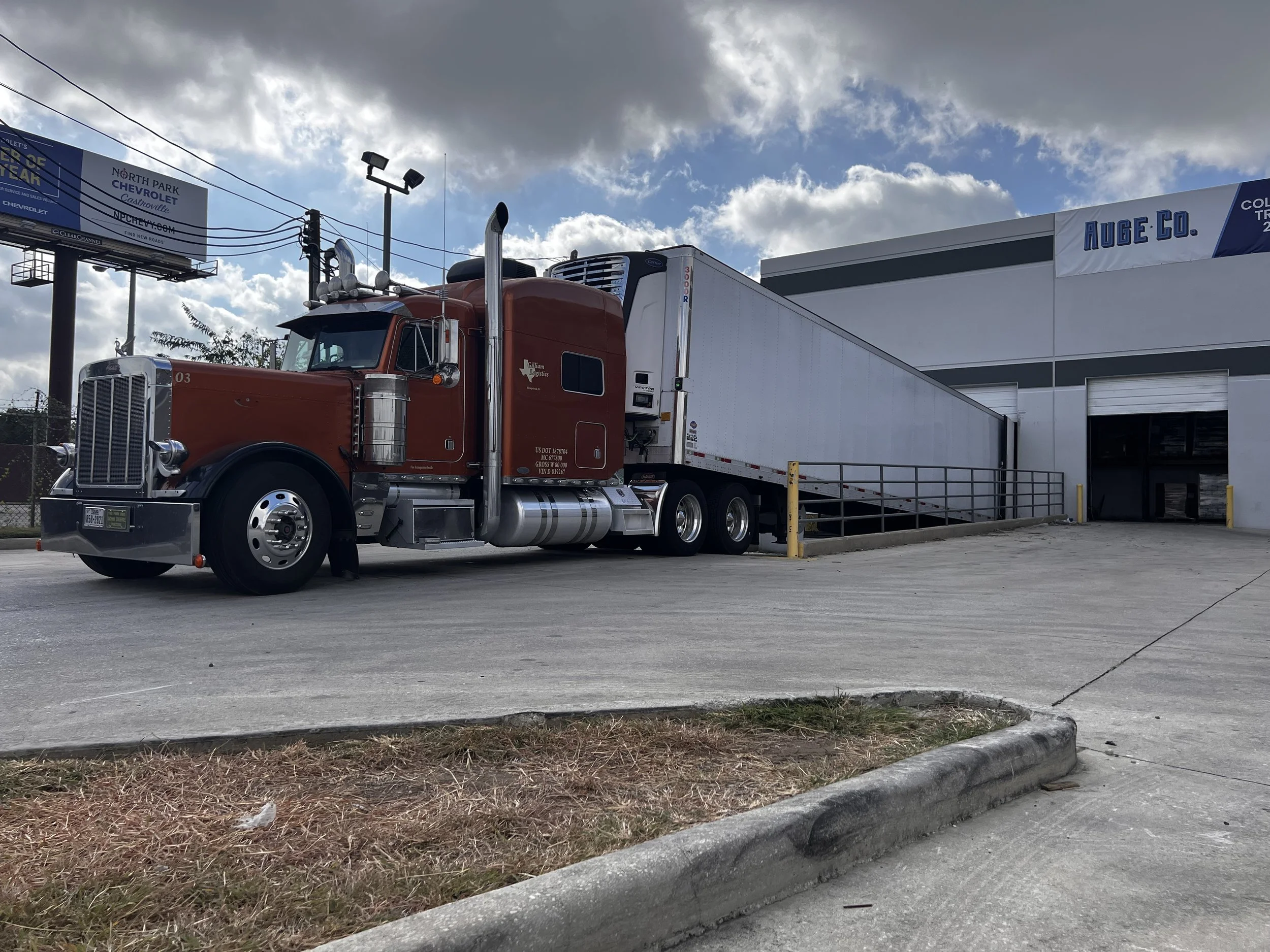
Finally, remember the loops. Loop 410 and Loop 1604 are not just circles on a map. They are time machines, good or bad, depending on the hour. Warehouses just inside 410 typically gain more predictable transit to both I‑10 and I‑35, while 1604 provides a pressure valve around new development but can choke during evening surges near US‑281 and I‑10 West. If your carrier mix leans independent owner‑operators rather than big fleets, predictability on approach routes is a practical advantage.
Rail, sea, and the meaningful border context
Reefer rail in San Antonio is limited compared to road. Union Pacific and BNSF run through the region, and there are transload options, but most temperature‑controlled storage moves by truck due to speed and appointment discipline. If you are exploring rail, be candid about lane consistency and seasonal variability. Melons and protein can work by rail if you control both ends, yet most buyers expect short lead times and stringent temp logs that rail still struggles to match in this market.
Ports matter more by connection than distance. Houston’s Bayport and Barbours Cut are roughly 200 to 220 miles east. Corpus Christi is closer, about 145 to 160 miles depending on dock. Laredo and the Columbia Solidarity Bridge are the real strategic levers, 150 to 170 miles south and southwest. If you import Mexican berries, avocados, tomatoes, meat, or frozen seafood, your choice of cold storage san antonio tx facility either helps or hurts your cross‑border timing. A warehouse with bilingual staff, FSMA savvy, and experience with USDA inspections will shorten dwell after a messy crossing day when half your trucks arrive within the same two‑hour band.
I have sat with dispatch while a load stuck at Laredo’s World Trade Bridge didn’t clear until 9 p.m. The only way it made the morning retailer delivery in New Braunfels was a temperature‑controlled storage san antonio tx facility that accepted the truck near midnight, performed a fast pallet count, and released a northbound outbound before dawn. You can’t force luck, but you can design for resilience.
Zoning and why “near me” is a moving target
Search data tells a story. Cold storage near me works as a query when you are shopping for a gym. For a cold storage warehouse, it is shorthand for a radius of performance. That radius shifts with commodity temperature set points, pallet turns per week, and appointment windows.
For frozen protein, a thirty to forty mile radius can perform well because defrost cycles and case picks happen in planned batches, and road heat loads are less critical. For berries at 33 to 34 degrees, add 20 minutes in summer and you add risk. For pharmaceuticals requiring 2 to 8 Celsius, every minute you spend in a hot box at a closed gate chips away at your margin of safety. When evaluating cold storage warehouse near me options, map each site’s real travel time at three windows: early morning outbound, midafternoon inbound, and late evening exceptions. Use live‑traffic data from at least two weeks, not just a single day.
Industrial zones along the I‑10 East corridor offer room for expansion and fewer noise complaints, which is code for easier permitting and longer dock hours. Near the airport, space costs more and neighbors care about truck noise. Close to downtown, you trade space for access. Choose based on your top two pain points. If night and weekend flexibility matters most, an eastside or southside temperature‑controlled storage location may serve you better than something wedge‑fit near SAT.
Temperatures, rooms, and real throughput
Cold storage facilities pitch square footage. You should ask for cubic footage, number of independent rooms, rack types, and dock configuration. A facility with 150,000 square feet in one big freezer is not equivalent to another with multiple chambers ranging from deep‑frozen below minus 10 Fahrenheit to cool rooms holding 45 to 50 for bananas or ready‑to‑eat foods. The more rooms, the better your chance to avoid commingling odors or crosstalk between temperature zones.
Look for how they stage trucks. A good refrigerated storage operation in San Antonio sets up a flow that keeps product under refrigeration between door and slot. Deep canopies help but do not solve summer heat. Ask about dock seals, door cycles per hour, and whether they use air curtains or vestibules. In August, you will feel the difference standing on a dock at 4 p.m. after six straight receives.
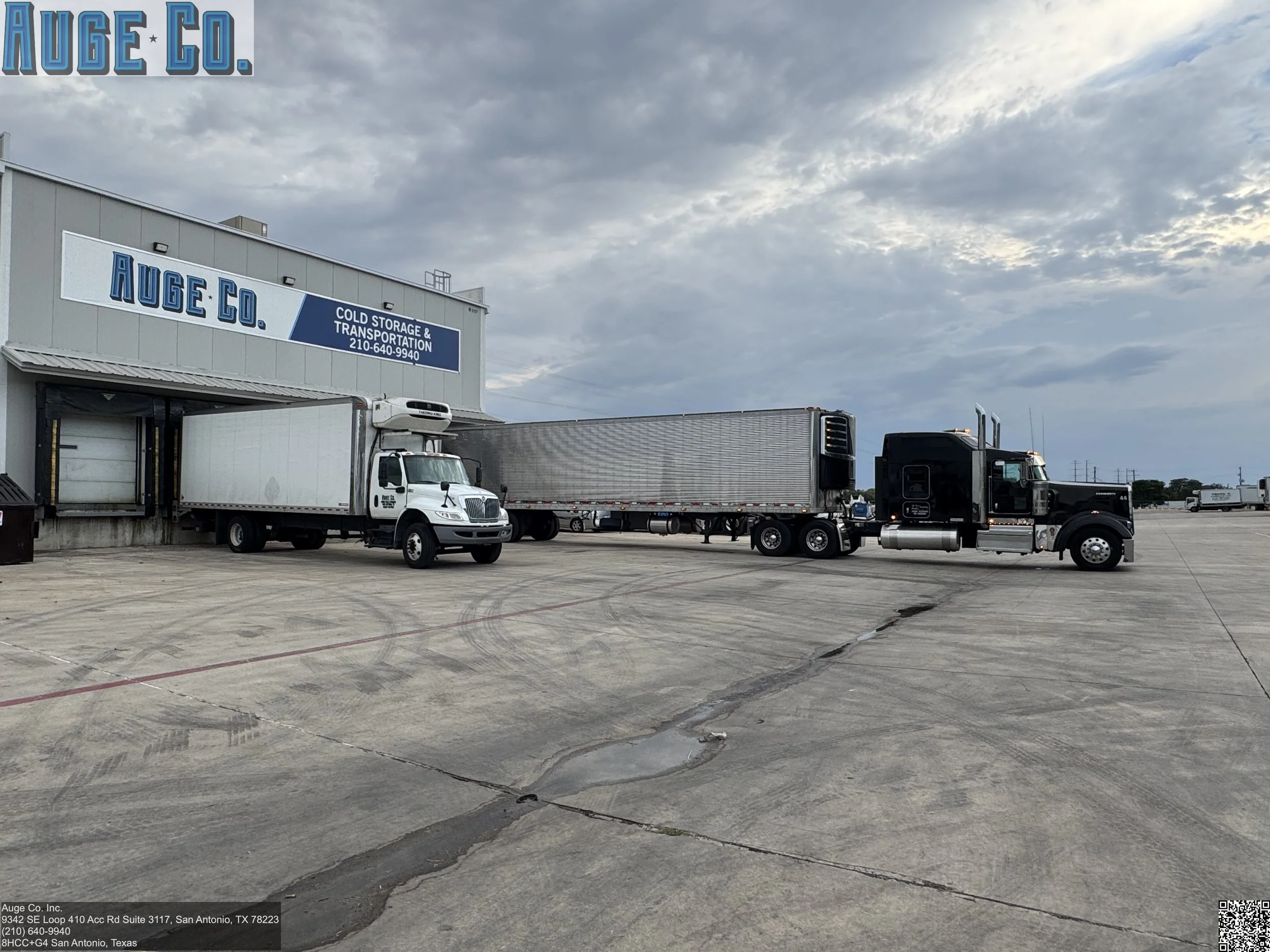
Power redundancy is worth more than a brochure page. Ask when the generator was last load‑tested and for how long it can run full refrigeration and controls. In Texas, grid strain is not theoretical. A two‑hour outage without mitigation can spoil a truckload of strawberries or thaw IQF shrimp just enough to cause refreeze clumping. I know operators who can island their critical rooms first, keeping at least two chambers in spec for 24 to 48 hours while rotating loads. That is the kind of answer you want to hear.
Labor and the quiet variable that costs you money
Complex temperature‑controlled storage depends on people who know how to cycle count in freezer gear, read temp loggers, and load by airflow and weight balance. In San Antonio, labor markets differ across the city. Near the southside industrial parks, you can often recruit bilingual staff with cross‑border paperwork experience. Near the northside, you get closer to airport freight know‑how and a different wage curve. If your product requires frequent inspection holds or USDA sampling, operators with experienced clerks reduce errors that trigger rework.
Ask about weekend and overnight staffing. Plenty of sites promise 24/7 access, then run with skeleton crews after 10 p.m. A skeleton crew can physically open a door but cannot safely turn three trucks and run EDI updates to your system at the same time. A trusted cold storage warehouse San Antonio TX customers recommend will show you shift rosters, not just operating hours.
Cost is more than a pallet rate
The posted rate per pallet per month or per case pick is the starting point. When you add up drop costs, detention, minimum charges, value‑added services, and fuel burn from detours, the cheapest option on paper often becomes the most expensive choice by week three. If your lanes pull north on I‑35 four days a week and east on I‑10 two days, a site near the I‑10/I‑35 split acts as both a springboard and a shock absorber. You will pay more per square foot than a far‑east greenfield box, but you will save the money back in reduced transit and avoidable misses.
The smartest shippers calculate an “effective delivered cost” that blends storage, handling, and transport with an allowance for temperature deviation risk. For high‑shrink items like fresh berries or leafy greens, a tenth of a degree matters. For frozen hash browns, not as much. Rank your SKUs by sensitivity. Place the sensitive ones closer to the best facilities even if they cost more, and accept longer drays for stable frozen items where you can buy capacity at lower rates.
Specific corridors and what they are good for
Northbound I‑35: If your customers sit in Austin, San Marcos, Round Rock, Waco, or Dallas, warehouses just east or northeast of downtown save you cuts across the city. Morning outbound is usually smooth before 7 a.m. by design. Avoid scheduling heavy outbound between 3 p.m. and 6 p.m. when I‑35 north merges thicken.
I‑10 East to Houston: Seafood for Gulf retailers, pharmaceuticals that head to distribution in Baytown or the northern Houston suburbs, and imported frozen foods coming off ocean carriers work well from eastside facilities. Track weather closely during storm season. When Houston delays pile up, San Antonio becomes a buffer for refrigerated storage san antonio tx operators who can hold and pivot.
I‑10 West and shipments toward El Paso and Arizona: Long‑haul frozen protein, ice cream, and long shelf‑life chilled goods can stage from the west and northwest sides. The trade‑off is airport access and dense local deliveries, which become harder from these locations. If most of your volume is outbound long haul with few local drops, west can be efficient.
I‑37 and the southside: Cross‑border flows that come up via Laredo or intended for Corpus Christi port connections benefit from the southside. A southside facility can also be a smart choice for importers timing USDA inspections that coincide with late afternoon arrivals from the border. Less congestion on approach roads can mean more reliable late window receives.
Airport corridor near US‑281 and Loop 410: Time‑critical, small lot, high‑value, or pharma and life sciences thrive here. These warehouses cost more, and street congestion during peak hours can frustrate truckers unused to airport traffic patterns. If your airfreight is irregular or seasonal, weigh the gain in proximity against the certainty of road slowdowns midafternoon.
What good looks like inside the four walls
You can spot a well‑run cold storage warehouse in ten minutes, even before they hand you KPI printouts. The dock is busy but quiet, no shouting to make up for missing process. Pallets sit off the wall, not inching into condenser airflow. Temp probes are visible, not hidden behind a clipboard flourish. Staff will tell you, without prompting, that Room 3 runs at 34 to 36 Fahrenheit for berries and herbs, while Room 5 is 28 to 30 for some ready‑to‑eat proteins that tolerate colder settings. I look for how they stage mixed temp trucks. A strong operation puts insulated bulkheads to real use and trains loaders to balance weight so the tractor does not pull hot on the steep northbound out of town.
Traceability matters more every season. Electronic temperature monitoring should be standard, with alarm histories available for audit. If your product is under a safety program, ask to see their last mock recall drills. Ask about how they segregate allergens. Ask how often they clean evaporators and whether they track differential pressures across filters in high‑traffic rooms. These are not gotcha questions. They are a proxy for whether the operation is run by checklists and data, or by luck and memory.
When “near me” becomes “near my customer”
Your cold chain does not end at the warehouse door. San Antonio’s growth has pushed consumer demand north and northwest, and big box distribution centers dot the I‑35 corridor up to Austin and beyond. If you run frequent local deliveries to retailers or foodservice hubs, model last‑mile routes with the same rigor you apply to long haul. Staging inventory on the east side might speed your Houston and Gulf movements while adding 25 minutes per local drop to northside stores. Those minutes add up when you run multiple stops and need to maintain 35 to 38 Fahrenheit in summer.
Pharma and health care deliveries cluster near the medical center and north central corridors. If you move temperature‑controlled storage san antonio tx inventory for clinical trials or vaccine distribution, build your SOPs for chain‑of‑custody handoffs at customer sites. The best warehouse partner will already have documented procedures and calibrated dataloggers for those runs.
Cross‑border realities, not just headlines
The San Antonio advantage is partly its buffer role between border volatility and the U.S. interior. Laredo can seize up due to weather, inspections, or security events. When that happens, trucks roll late and product arrives thirsty for cold. A prepared cold storage warehouse keeps a triage plan. They pre‑cool a room, clear flex space, and add staff on call for late receives. They know how to expedite temp logging at gate and move pallets under refrigeration quickly. If your importer account relies on the Columbia Bridge to avoid World Trade backups, confirm your warehouse runs later cutoffs on those days and can scale labor after 8 p.m. without quality lapses.
Bilingual documentation is not window dressing. Bills of lading, phytosanitary certificates, and inspection reports can get lost in translation when rekeyed. Facilities with bilingual leads reduce hold times and prevent clerical errors that cascade into shipment delays.
Freight capacity and seasonal swings
From late spring into early summer, produce season lifts reefer demand. Lane rates rise, dwell creeps, and every ice machine in town works overtime. Cold storage facilities that manage dock appointments with discipline protect your schedule. Look for operators who enforce appointment windows but still carry a flex strategy for true exceptions. If a site says yes to every request, it will say no in the worst way when all the trucks arrive at once and sit with doors open.
Frozen protein volumes often spike around holidays. If you run poultry or beef, secure overflow strategies two months ahead. Ask your partner about short‑term rented refrigerated trailers for yard storage and whether they allow them on site. Some do, some don’t, due to safety and insurance. Those details matter when you are looking at an unexpected promotion order.
Technology connects the dots or gets in the way
EDI, APIs, and humble spreadsheets all still exist in San Antonio’s refrigerated storage operations. Big national chains can integrate with your TMS and WMS, but smaller, well‑run independents might be faster at custom reporting. Decide what you actually need: real‑time inventory by lot, temperature trends by SKU, door‑to‑slot timestamps, or photo capture on receive. The right match is the system that surfaces exceptions for your team, not the flashiest portal. If load planners depend on scan‑level accuracy, confirm RF guns are cold‑rated and that dead zones are mapped. Wi‑Fi in freezers is not trivial. Good operators run external antennas and plan access points so your scan completes instead of buffering while a loader waits in minus 10 Fahrenheit.
Cybersecurity is not just an IT line item. If you are in pharma or high‑value seafood, a ransomware lockout can paralyze releases. Ask about backups, offline recovery plans, and whether they can operate on paper for 48 hours without losing inventory control. I have seen it happen. The warehouses that practiced drills shipped on day one, even if slowly. The ones that didn’t had trucks circling while product warmed.
Practical site visits: what to check
Use your site tour wisely. Time it at a busy hour, not a quiet mid‑morning. Step onto the dock in August and feel the temperature spread. Watch a receive from gate to putaway. Check for standing water that will freeze overnight. Ask a lift driver what temperature the room runs and how they verify before putaway. Look at racking labels for clarity. Confirm how they separate organic and conventional if that affects your certification. Peek at the maintenance board. Find the generator and read the inspection tag.
Bring a calibrated handheld thermometer and a simple infrared gun. Compare against their readings in at least two rooms. Ask them to open the WMS and show your product moved through the system during a simulated receive, then ask how they handle partial pallets and case picks. If you rely on blast freezing, inspect the blast cell. Ask about cycle times at your product’s thickness and packaging type. The difference between 24 and 36 hours to pull to target can change how many turns per week you actually get.
Two focused checklists you can use right now
- Location fit snapshot: Drive‑time at peak from facility to I‑35 and I‑10 ramps you need most Time to SAT with a 30‑minute contingency buffer Proximity to inspection services if you import produce or protein Ability to accept late cross‑border arrivals after 9 p.m. Neighborhood permitting and truck access constraints Operational readiness quick check: Number of independent temp rooms and validated set points Generator capacity, last load test, and run‑time at full refrigeration Dock design, seals, and process for hot weather door management Staff coverage nights and weekends, bilingual capability if needed System integration level and reliability of temperature monitoring
These two lists save time on first pass screening. After that, dig into specifics for your commodity.
Matching commodities to micro‑locations
Not every product needs the same address. Fresh produce with narrow temperature windows prefers quick highway access and disciplined dock processes to minimize warm exposure. If most of your buyers sit north and northeast, pick a facility with frictionless I‑35 access and multiple cool rooms in the 33 to 38 range. Seafood, both fresh and frozen, benefits from eastside positioning if you draw from Gulf suppliers and stage for Houston. Frozen desserts and ice cream often ride deep cold and long hauls. They can tolerate slightly longer local drays if the facility gives you predictable outbound to I‑10 West or I‑35 North.
Pharmaceuticals are their own category. Temperature‑controlled storage san antonio tx options that advertise pharma capability should show validated mapping, access control logs, and response protocols. Closer to the airport helps, but validated process beats proximity in any audit.
What the next five years could change
San Antonio’s industrial base is growing. Ongoing expansions along I‑10 East will likely add more cold storage capacity and drive competitive rates. The airport continues to court cargo growth, though the perishables uplift will remain niche compared to coastal hubs. Border policy will keep adding variability. Technology will tighten traceability and data sharing, especially for retailers demanding real‑time temperature and location visibility. Plan for integrations you can actually support. Do not sign up for a digital twin of your cold chain if your team lacks the bandwidth to vet exceptions at 6 p.m. on a Friday.
Fuel costs and driver availability will swing. Designs that reduce empty miles and dwell will outperform macro headwinds. The fundamental advantage of a well located cold storage warehouse San Antonio TX shippers lean on will not change. Distances, ramps, and reliable people still beat fancy paint.
Bringing it together
If you are searching for cold storage in this market, start with your lanes and your most sensitive SKUs. Map them to the roads that matter: I‑35 for the northbound spine, I‑10 east and west for port and desert runs, I‑37 for southbound connections. Consider whether airport access adds real value for your product. Choose a partner whose rooms match your temperature profiles and whose dock routines match San Antonio heat. Confirm staffing when it matters, not just the hours printed on a brochure. Calculate effective delivered cost, not just pallet rates.
Cold storage facilities exist to remove drama from perishable logistics. The right refrigerated storage partner gives you boring days. Trucks arrive. Doors open. Temperatures hold. Product moves, not stories. In San Antonio, the geography and transport links can either help you create those boring, profitable days or make each one a gamble. Choose the map that fits your reality, and the warehouse that knows how to run it.
Auge Co. Inc 3940 N PanAm Expy, San Antonio, TX 78219 (210) 640-9940 FH2J+JX San Antonio, Texas