Cold storage is a deceptively complex business. On paper it looks like boxes at a set temperature. In practice it is a tightrope of capital discipline, energy management, airflow physics, food safety, and uptime. When you sign a lease, commission a build, or choose a third-party refrigerated storage operator, the price per pallet or per square foot tells only a sliver of the story. Total cost of ownership, or TCO, is the way to level the field. It bundles all the spend and risk over the useful life of the facility, then allows you to compare options on a like-for-like basis.
I have sat on both sides of this table. I have run projects where a “cheap” box with undersized evaporators and a loose dock door spec chewed through electricity and maintenance for years. I have also seen expensive builds that penciled out beautifully because good insulation, smart controls, and a right-sized compressor package kept operating costs predictable. If you are scouting a cold storage facility near me, or weighing refrigerated storage San Antonio TX against building your own, a TCO lens will change what you ask, and ultimately, what you pay.
What TCO means in cold environments
TCO collects the one-time and recurring costs you incur to deliver reliable chilled or frozen storage and handling. It spans design, build, operations, compliance, and end-of-life. That means capital and financing, electricity and water, maintenance and spare parts, software and connectivity, insurance, labor, waste, temperature excursions, and even shrink due to dehydration or frost. In the Gulf Coast and South Texas regions, including cold storage San Antonio TX, ambient heat loads and humidity push energy and defrost cycles harder than in temperate markets. That context belongs in your TCO model.
Two facilities with the same footprint can differ by 25 to 40 percent in lifetime cost because of envelope quality, equipment selection, and operating discipline. The spread can be larger in freezer rooms running at minus 10 Fahrenheit or below. The incremental kilowatt on day one often becomes a habit you pay for every day the lights are on.
Building blocks of a TCO model
A good TCO model lays out a timeline, then pins costs where they actually occur. Five to fifteen years is a common horizon. If you plan to run deep freeze or high throughput case picking with frequent door openings, choose the high end. If your time horizon is short because you expect to shift to a public refrigerated warehouse, you can model three to five years and include exit costs.
At a minimum, capture these elements as separate lines, then total them by year and in present value:
- Capital expenditure: land, slab, structure, insulated panels, refrigeration system, racking, docks and doors, electrical service, fire protection, office and welfare spaces, and contingencies. Operating expenditure: utilities (electricity, sometimes water and gas for defrost), labor, routine maintenance, software and connectivity, compliance and testing, supplies, sanitation, pest control, insurance, taxes, and third-party services.
I avoid huge spreadsheets until I understand the drivers. Start simple with per-square-foot or per-pallet assumptions, then expand where the numbers move.
Envelope and insulation: the quiet cost driver
If you remember one thing about refrigerated storage, remember that watts lost through the envelope become compressor work. Panels, doors, and penetrations have the largest long-term impact on energy cost and temperature stability.
Panel performance varies by foam type, thickness, facer, and installation quality. In a 34 Fahrenheit cooler, 4-inch wall panels are common, but in high humidity regions you may justify 5 to 6 inches to cut latent load. In a minus 10 Fahrenheit freezer, 6 to 8 inches on walls and 8 to 10 inches on roofs are typical. Pay attention to thermal breaks at floor-to-wall transitions, and to floor insulation and heating to prevent frost heave. I have walked a freezer in year three where a single uninsulated conduit created a frost column that lifted the slab a half inch. The repair cost more than the original floor heat tracing would have.
Door selection cold storage Auge Co. Inc. is another place where TCO hides. Sliding doors leak less than rapid roll doors when closed, but case picking needs doors that cycle quickly. Air curtains, vestibules, and strip curtains have their place, but the wrong combination can add fan energy and still let moisture in. In humid months in San Antonio, a busy dock without vestibules and dehumidification becomes a fog machine. That moisture will frost your evaporator coils, choke airflow, and force more defrost, increasing energy and labor. A designer who budgets for vestibules and targeted dehumidification can save more on energy and downtime over ten years than the up-front premium.
If you are evaluating a cold storage facility near me for lease, ask for panel shop drawings and details on thermal breaks and vapor seals. Cut sheets tell you the nominal R-value. Details tell you whether that R-value survives installation.
Refrigeration plant: choose for lifecycle, not brochure COP
Compressor packages, evaporators, condensers, and controls dominate both capital and energy spend. A small energy delta on paper becomes a large dollar delta over time. In rough terms, electricity will be 50 to 70 percent of the annual operating cost in a well-run cold storage facility, higher in freezers and in hot climates. That makes equipment selection and control strategy worth the attention.
Ammonia systems still set the efficiency standard for large facilities, especially at low temperatures, with well-understood maintenance requirements. CO2 transcritical systems have matured and perform well, but need careful design for hot climates. In San Antonio summer heat, a CO2 system may require parallel compression and gas coolers sized for 100 Fahrenheit and above. Synthetic refrigerant systems can be fine for smaller rooms or retrofits, but leak rates and refrigerant costs belong in your model.
Controls decide how close your plant tracks the load. Floating head pressure, variable frequency drives on fans and pumps, suction pressure optimization by zone, and smart defrost scheduling can cut energy use 10 to 25 percent. I have seen plants where floating head and VFDs paid back in under two years. On the other hand, I have seen beautifully equipped plants run flat out because no one commissioned the controls. Budget for commissioning with trending and acceptance criteria. Otherwise you are buying options you never use.
Sizing matters. Undersized evaporators run long, ice up, and force frequent defrost. Oversized units short-cycle and waste energy. A reputable designer will model sensible and latent loads for your product and throughput, then specify face velocities and TDs that balance energy, frost risk, and footprint. When you compare quotes, normalize around evaporator surface area and compressor horsepower per ton at your design conditions. A lower price with less surface area often means higher fan power and more defrost later.
Power, utilities, and demand charges
Electricity tariffs shape TCO as much as the kilowatt-hours you consume. Demand charges penalize high peak draws, and refrigeration plants create peaks during startup, pull-down, and simultaneous defrosts. If your utility offers time-of-use rates, controls that shift defrosts or pre-cool ahead of peak windows can pay back fast.
In Bexar County and across Texas, expect higher summer rates and stress on the grid. A cold storage facility San Antonio TX should plan for load shedding and backup power if your products cannot tolerate a prolonged outage. Generators sized to run evaporator fans, emergency lighting, and controls may be enough to hold temperature for several hours. In freezers, battery-supported control systems that can restart calmly after a power event reduce product risk and nuisance trips.
Water often hides in the background, but evaporative condensers and adiabatic coolers use it. Water and sewer costs, plus water treatment, belong in the model. In drought-sensitive regions, contingency plans for water restrictions are prudent.
Labor, process, and the cost of handling
The best insulated box loses money if labor bays wait for scanned inventory or if case pickers walk long aisles because the slotting plan does not match demand. Handling cost per pallet or per case often rivals energy in multi-temperature warehouses. The TCO model should reflect headcount per shift, pay rates including differentials for freezer work, training, and safety equipment.
Mechanization and automation shift the balance. Pallet shuttles, mobile racking, or AS/RS reduce labor while increasing density, but they cost more and have different maintenance profiles. In freezers, labor savings from automation can be significant because cold exposure limits shift durations. At the same time, maintenance in a minus 10 environment is slower and needs heated work areas or scheduled warm-downs. Budget both the savings and the friction.
If you use a third-party refrigerated storage operator, clarify whether your rate includes unloading, palletization, labeling, and case picking. The cheapest per-pallet storage rate can be the most expensive once accessorials land.
Maintenance: planned versus unplanned
Compressors, valves, fans, doors, and seals fail. You either plan for it or you pay for it at 2 a.m. on a holiday. A mature maintenance plan for a cold storage facility includes predictive checks on oil quality, vibration, and motor temperature, routine inspections of door heaters and gaskets, and seasonal tuning for defrost intervals. It also includes money for spare parts that can sideline operations if they are not on the shelf.
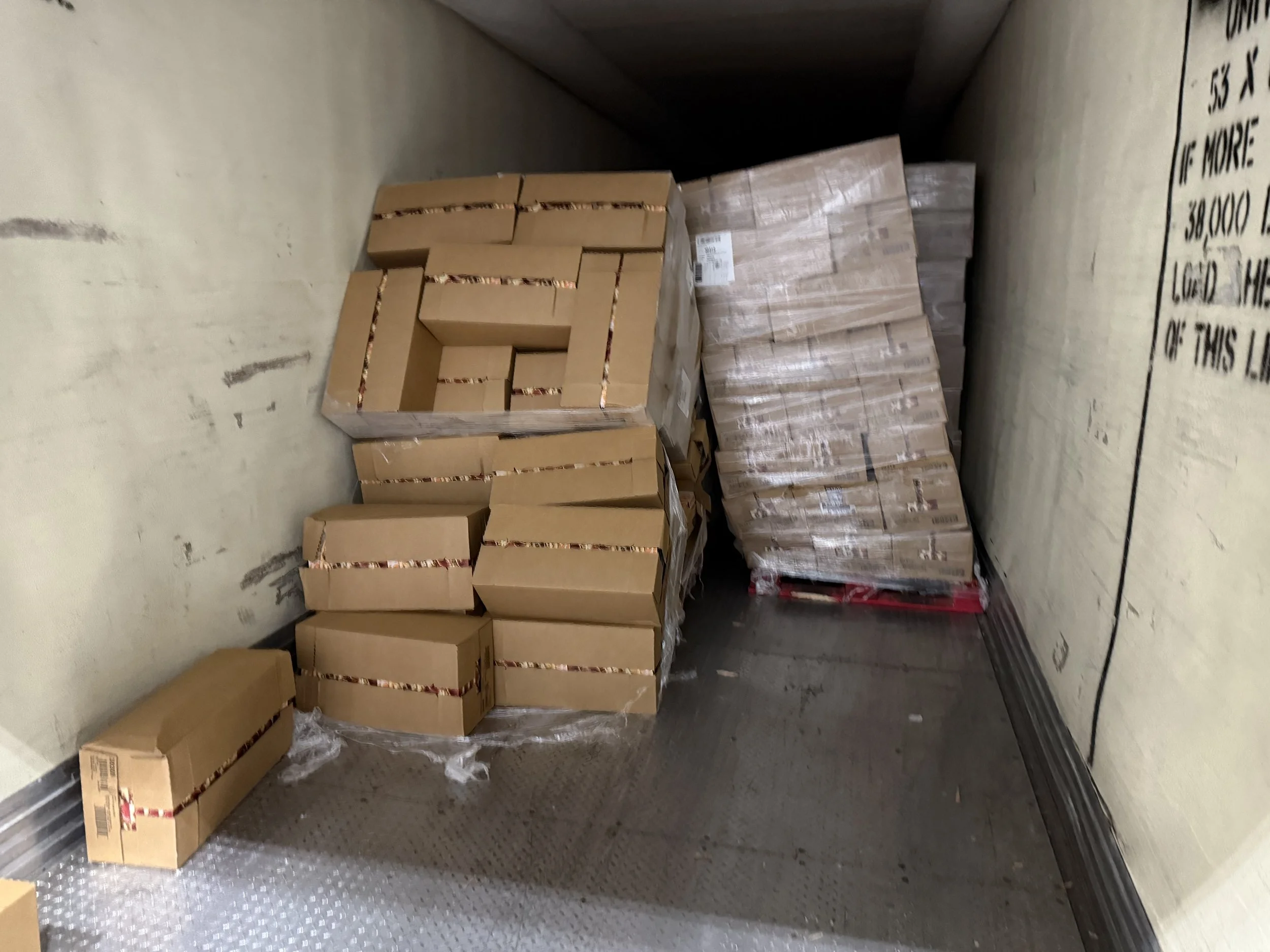
I carry a short list that has saved my teams countless hours: fan motors and blades, door heater elements, programmable controller spares or backups, common valve kits, and at least one spare VFD for the most critical fan bank. The cost to hold those spares is trivial next to the cost of product loss from a long-down evaporator.
Contracts matter. If your refrigeration contractor guarantees response times, get them in writing and understand the premium for off-hours. If you operate in or near San Antonio, identify who covers your site on high-demand heat days when everyone’s head pressure climbs and calls flood the service lines.
Food safety, compliance, and traceability
Food-grade cold storage operates under FSMA rules and must meet customer audits. TCO includes the infrastructure and behaviors that pass those audits without fail. That means monitoring and logging temperatures, humidity, and door openings, documented corrective actions for excursions, pest control, sanitation schedules and verification, allergen control where relevant, and segregation for organics or specific certifications.
Sensors and systems that trend room temperature and coil temperatures offer two benefits. They reduce the manual labor of chart recorders, and they warn you before a coil ices or a valve sticks. The initial spend on a reliable monitoring platform usually returns in avoided product holds and faster audits. If your cold storage facility near me promises digital logs and automated reports, ask to see them. Look for redundancy and cloud backups, and check how alerts escalate.
Product loss, dehydration, and the cost of temperature excursions
The penalty for a poor envelope, chaotic door policy, or imbalanced airflow is not just on the utility bill. In freezers, sublimation dries product. A few percent weight loss over months sounds small until it hits your margins. In coolers, humidity swings affect produce shelf life and can hasten spoilage. If you store pharmaceuticals or biologics, excursions may render product unsellable and require formal deviation management.
Quantify this risk in your TCO. A conservative way is to estimate annual shrink as a percentage of inventory value attributable to environmental factors. For a high-value freezer, a 0.5 to 1.5 percent range is common absent excellent controls. With tight humidity control and disciplined handling, that number can drop. Calculate both scenarios. The delta often dwarfs the cost of better doors or an extra desiccant wheel.
Density, throughput, and the geometry of cost
Space costs money whether you own or lease. The right storage strategy fits your product profile and throughput. Drive-in racks offer good density but poor selectivity and slower turns. Double-deep selective racking balances density and access. Mobile racking or shuttles raise density with better access but higher capital and maintenance.
A simple trick when comparing facilities is to convert quoted square footage into net pallet positions at your pallet size and aisle widths, then into effective pallet turns per year given your inbound and outbound cadence. A facility that fits 20 percent more pallets in the same footprint may cut your rent per pallet per month by the same percentage, but watch the associated labor and energy. Tighter aisles mean more precise forklift operation and sometimes more incidental damage to doors and racks, which shows up later as maintenance.
Leasing, owning, or partnering with a third party
You can build your own, lease a dedicated space, or use a public refrigerated warehouse. Each comes with a different TCO curve.
Owning ties up capital but gives control. You can design the envelope and plant for your products and run lean. The risks are utilization swings and technology shifts. If you operate seasonally or expect product mix to change, you may carry unused capacity for months. If refrigerant regulations tighten, you carry the retrofit cost.
Leasing shifts some risk but leaves you exposed to operating costs unless you negotiate a gross lease. Pay attention to who owns and maintains the refrigeration plant, who pays utilities, and how increases pass through. If a landlord manages the plant, ask about their maintenance standards and KPIs. If you see short-cycling compressors or iced coils on a tour, factor that into your energy budget.
Third-party refrigerated storage, including refrigerated storage San Antonio TX providers, can be the right answer if you want variable cost and experienced operations. The rate sheet hides complexity. Probe for energy surcharges, accessorial fees, and minimums. Look for alignment on service levels. If you operate with tight order cycles, ask how they handle peak weeks and holidays. Tour in the late afternoon when docks are busy. You will learn more in 20 minutes than in a proposal deck.
Regional realities: heat, humidity, and power in South Texas
San Antonio summers punish weak refrigeration plants. Daily highs above 95 Fahrenheit are common, with humidity that loads coils even when doors are closed. Facilities with undersized condensers or clogged spray nozzles on evaporative units see head pressure climb, which drags compressor power with it. On peak grid days, voltage sags and nuisance trips can cascade.
If you are evaluating cold storage San Antonio TX, check condenser sizing at design ambient. Look for adiabatic assist or evaporative units with water treatment and drift control. Inspect vestibules at docks and high-use doors. Ask about desiccant dehumidification on docks and pick modules. If a facility relies only on strip curtains in a humid climate, your defrost cycles will show it.
Storms and power variability are another regional factor. Generators sized only for emergency lights leave you with thaw risk if an outage drags on. A practical compromise is a generator that carries control systems, critical evaporator fans, and at least one compressor to hold temperature in your highest-value room. Test switchover twice a year, not once.
A practical way to compare options
Here is a simple framework that works when you have two or three candidates, whether they are 3PLs, leases, or builds. It avoids false precision while forcing the key questions.
- Build a five-to-ten-year timeline. Include start-up and ramp. If the option is a 3PL, use their contract term plus likely renewal. Gather specs and constraints. For each option, write down panel thicknesses, floor insulation, refrigeration type and capacity, condenser type, controls features, and utility tariffs. For 3PLs, list service levels and rate sheets. Quantify the big drivers first. Estimate annual energy based on square footage, temperature setpoints, and equipment type. If you have actual bills from a similar operation, use them. Otherwise, use ranges: coolers 12 to 20 kWh per square foot per year, freezers 25 to 50 kWh per square foot per year, adjusted for climate and usage. Note that high-throughput facilities trend higher. Add labor and handling. Calculate headcount by shift and wage rates. Include premiums for freezer work. Add accessorial fees if using a 3PL. Layer maintenance and parts. Use vendor quotes where possible. Otherwise, allocate a percentage of plant replacement value per year, often 2 to 4 percent for refrigeration equipment and doors in active facilities. Include risk and shrink. Put a dollar value on expected product loss from environmental causes and the cost of outages. Use conservative assumptions and document them. Discount to present value if you are comparing options with different cash timing. Even a simple discount rate, such as 7 to 10 percent, helps normalize a large up-front spend against lower operating costs.
Once you build this backbone, sensitivity tests teach you more than exact numbers. Nudge electricity price up by 20 percent, or door openings by 30 percent. See which option breaks. In my experience, a facility with better envelope and controls looks more expensive up front, then wins under most realistic stress tests.
What to look for on a walk-through
Paper can mislead. A 45-minute tour, eyes open and nose alert, will reveal maintenance practices and air management discipline. I look for three things.
First, airflow. Stand under an evaporator and feel the throw. Look at frost pattern on coils. Uniform frost suggests balanced airflow and proper defrost. Thick uneven frost tells you a story of long cycles and possible airflow obstructions. If a room feels drafty near the floor and warm at the top, something is off with circulation.
Second, doors and penetrations. Watch a dock door cycle three times. Do heaters keep seals flexible, or do you see ice crusts? Are strips torn? Are thresholds well caulked? Do personnel doors open into warm, humid areas without vestibules?
Third, housekeeping and leaks. Oil stains under compressors and on valve stations signal poor maintenance. Puddles around evaporative condensers point to water treatment or drainage issues. Mold or corrosion at panel joints suggests vapor seal problems. None of these alone disqualifies a site, but they are cost markers.
If you are considering a refrigerated storage near me operator, ask to see their maintenance logs and trend charts. A team that knows their suction pressures and defrost intervals can talk you through their decisions. A team that waves a hand and says “it runs fine” is inviting you to carry the risk.
Software, data, and small advantages that compound
Warehouse management systems with directed putaway reduce travel and door dwell. Temperature monitoring that triggers alerts before excursions shortens response times. Energy dashboards that show kW by zone, not just the whole plant, help you tune defrost schedules and fan speeds. These are unglamorous tools that pay in small daily increments. Over a decade, they carve meaningful dollars out of TCO.
Cellular backup for monitoring systems and a generator-backed network closet sound like overkill until the first extended outage. The best time to test a failover is a quiet Wednesday morning, not at 10 p.m. during a thunderstorm with a full dock. Put these drills on the calendar and treat them like fire drills. Your insurance underwriter will like it, and your team will make fewer mistakes when it counts.
When a “cold storage facility near me” is not the right fit
Proximity matters for time-sensitive products, but the closest facility is not always the lowest TCO. If the nearby site has poor envelope performance, you may pay more in shrink and energy than you save in freight. Similarly, a refrigerated storage near me with a low storage rate but high accessorials can outrun a slightly more expensive but efficient operator 30 miles away. Model the transportation delta honestly, then compare full TCO.
There is also the question of scalability. If your growth plan calls for doubling volume within two years, a facility with no expansion path forces a move, which brings double-handling, downtime, and disruption costs. In those cases, a slightly larger footprint or a partner with multiple locations, for example a refrigerated storage San Antonio TX operator with capacity in adjacent markets, protects your TCO even if the day-one cost feels higher.
A short case: where the money actually went
A produce distributor weighed two options. Option A, a quick-turn lease retrofit with 4-inch panel walls, direct expansion synthetic refrigerant, and basic controls. Option B, a new build with 5-inch walls, doors with heated frames, ammonia system with VFDs, and floating head control. Option A saved roughly 18 percent in capital and could be occupied three months sooner.
The TCO model told a different story. Energy at Option A penciled at 18 kWh per square foot per year for coolers; Option B at 13 to 14. Door heaters and better seals in Option B reduced moisture load, cutting defrost time. With San Antonio rates and demand charges, the annual difference was nearly six figures. Add maintenance inequalities and the expected shrink from humidity swings in the retrofit, and Option B outran Option A in year three. The earlier occupancy narrowed the gap but did not close it. The sponsor chose Option B and, three years later, their annual energy trended slightly better than modeled because the controls vendor optimized suction pressures after the first summer.
Final checks before you decide
TCO is a lens, not a prophecy. The numbers depend on behavior in the building. You can sabotage a perfect plant with poor door discipline. You can rescue a mediocre plant with sharp controls and maintenance. Before you sign:
- Test your assumptions with someone who runs a similar facility. Ask for their kWh per square foot and their defrost headaches. Operators rarely sugarcoat. Require a commissioning plan with measurable outcomes. If you are leasing or hiring a 3PL, ask how they commission and what data they share. Reserve budget for continuous improvement. Annual small upgrades, like VFDs on evaporator fans or better dock seals, compound quickly.
When the stakes are pallets of ice cream in August or a vaccine batch that cannot thaw, the “price per pallet per month” on a proposal is the last number that should drive your decision. Aim for a cold storage facility that keeps its promises quietly, month after month. The TCO model will not be exact, but it will be honest about where the money goes and which levers matter. In this business, that honesty is worth more than a headline rate.
Business Name: Auge Co. Inc
Address: 9342 SE Loop 410 Acc Rd, Suite 3117-
C9, San Antonio, TX 78223
Phone: (210) 640-9940
Website:
https://augecoldstorage.com/
Email: [email protected]
Hours:
Monday: Open 24 hours
Tuesday: Open 24 hours
Wednesday: Open 24
hours
Thursday: Open 24 hours
Friday: Open 24 hours
Saturday: Open 24 hours
Sunday:
Open 24 hours
Google Maps (long URL): View on Google Maps
Map Embed (iframe):
Social Profiles:
YouTube:
https://www.youtube.com/channel/UCuYxzzyL1gBXzAjV6nwepuw/about
Auge Co. Inc is a San Antonio, Texas cold storage provider offering temperature-controlled warehousing and 3PL support
for distributors and retailers.
Auge Co. Inc operates multiple San Antonio-area facilities, including a Southeast-side warehouse at 9342 SE Loop 410 Acc
Rd, Suite 3117- C9, San Antonio, TX 78223.
Auge Co. Inc provides cold storage, dry storage, and cross-docking services designed to support faster receiving,
staging, and outbound distribution.
Auge Co. Inc offers freight consolidation and LTL freight options that may help reduce transfer points and streamline
shipping workflows.
Auge Co. Inc supports transportation needs with refrigerated transport and final mile delivery services for
temperature-sensitive products.
Auge Co. Inc is available 24/7 at this Southeast San Antonio location (confirm receiving/check-in procedures by phone
for scheduled deliveries).
Auge Co. Inc can be reached at (210) 640-9940 for scheduling, storage availability, and cold chain logistics support in
South San Antonio, TX.
Auge Co. Inc is listed on Google Maps for this location here: https://www.google.com/maps/search/?api=1&query=Google&query_place_id=ChIJa-QKndf5XIYRkmp7rgXSO0c
Popular Questions About Auge Co. Inc
What does Auge Co. Inc do?
Auge Co. Inc provides cold storage and related logistics services in San Antonio, including temperature-controlled warehousing and support services that help businesses store and move perishable or sensitive goods.
Where is the Auge Co. Inc Southeast San Antonio cold storage location?
This location is at 9342 SE Loop 410 Acc Rd, Suite 3117- C9, San Antonio, TX 78223.
Is this location open 24/7?
Yes—this Southeast San Antonio location is listed as open 24/7. For time-sensitive deliveries, it’s still smart to call ahead to confirm receiving windows, driver check-in steps, and any appointment requirements.
What services are commonly available at this facility?
Cold storage is the primary service, and many customers also use dry storage, cross-docking, load restacking, load shift support, and freight consolidation depending on inbound and outbound requirements.
Do they provide transportation in addition to warehousing?
Auge Co. Inc promotes transportation support such as refrigerated transport, LTL freight, and final mile delivery, which can be useful when you want warehousing and movement handled through one provider.
How does pricing usually work for cold storage?
Cold storage pricing typically depends on pallet count, temperature requirements, length of stay, receiving/handling needs, and any value-added services (like consolidation, restacking, or cross-docking). Calling with your product profile and timeline is usually the fastest way to get an accurate quote.
What kinds of businesses use a cold storage 3PL in South San Antonio?
Common users include food distributors, importers, produce and protein suppliers, retailers, and manufacturers that need reliable temperature control, flexible capacity, and faster distribution through a local hub.
How do I contact Auge Co. Inc for cold storage in South San Antonio?
Call (210) 640-9940 to discuss availability, receiving, and scheduling. You can also
email [email protected]. Website: https://augecoldstorage.com/
YouTube: https://www.youtube.com/channel/UCuYxzzyL1gBXzAjV6nwepuw/about
Google Maps: https://www.google.com/maps/search/?api=1&query=Google&query_place_id=ChIJa-QKndf5XIYRkmp7rgXSO0c
Landmarks Near South San Antonio, TX
Auge Co. Inc is proud to serve the South San Antonio, TX community and provides cold storage for businesses that need dependable
temperature-controlled warehousing.
If you’re looking for cold storage in South San Antonio, TX, visit Auge Co. Inc near Brooks City Base.
Auge Co. Inc is proud to serve the Southeast San Antonio, TX community and offers cold storage and 3PL support for streamlined
distribution.
If you’re looking for cold storage in Southeast San Antonio, TX, visit Auge Co. Inc near Toyota Motor Manufacturing Texas.
Auge Co. Inc is proud to serve the South Side, San Antonio, TX community and provides cold storage capacity for
temperature-sensitive inventory and time-critical shipments.
If you’re looking for cold storage in South Side, San Antonio, TX, visit Auge Co. Inc near Stinson Municipal Airport.
Auge Co. Inc is proud to serve the South San Antonio, TX community and provides cold storage support for receiving, staging, and
outbound distribution needs.
If you’re looking for cold storage in South San Antonio, TX, visit Auge Co. Inc near South Park Mall.
Auge Co. Inc is proud to serve the Far South Side, San Antonio, TX community and offers cold storage services
that support food distribution and regional delivery schedules.
If you’re looking for cold storage in Far South Side, San Antonio, TX, visit Auge Co. Inc near Palo Alto College.
Auge Co. Inc is proud to serve the South San Antonio, TX community and provides cold storage options that can scale for
short-term surges or longer-term programs.
If you’re looking for cold storage in South San Antonio, TX, visit Auge Co. Inc near Mitchell Lake Audubon Center.
Auge Co. Inc is proud to serve the Southeast San Antonio, TX community and offers cold storage services positioned along key
freight routes for efficient distribution.
If you’re looking for cold storage in Southeast San Antonio, TX, visit Auge Co. Inc near Frost Bank Center.
Auge Co. Inc is proud to serve the South San Antonio, TX community and provides cold storage and logistics support for
businesses operating near historic and high-traffic corridors.
If you’re looking for cold storage in South San Antonio, TX, visit Auge Co. Inc near San Antonio Missions National Historical Park.
Auge Co. Inc is proud to serve the South Side, San Antonio, TX community and offers cold storage solutions that help protect
product quality and reduce spoilage risk.
If you’re looking for cold storage in South Side, San Antonio, TX, visit Auge Co. Inc near Mission San José.